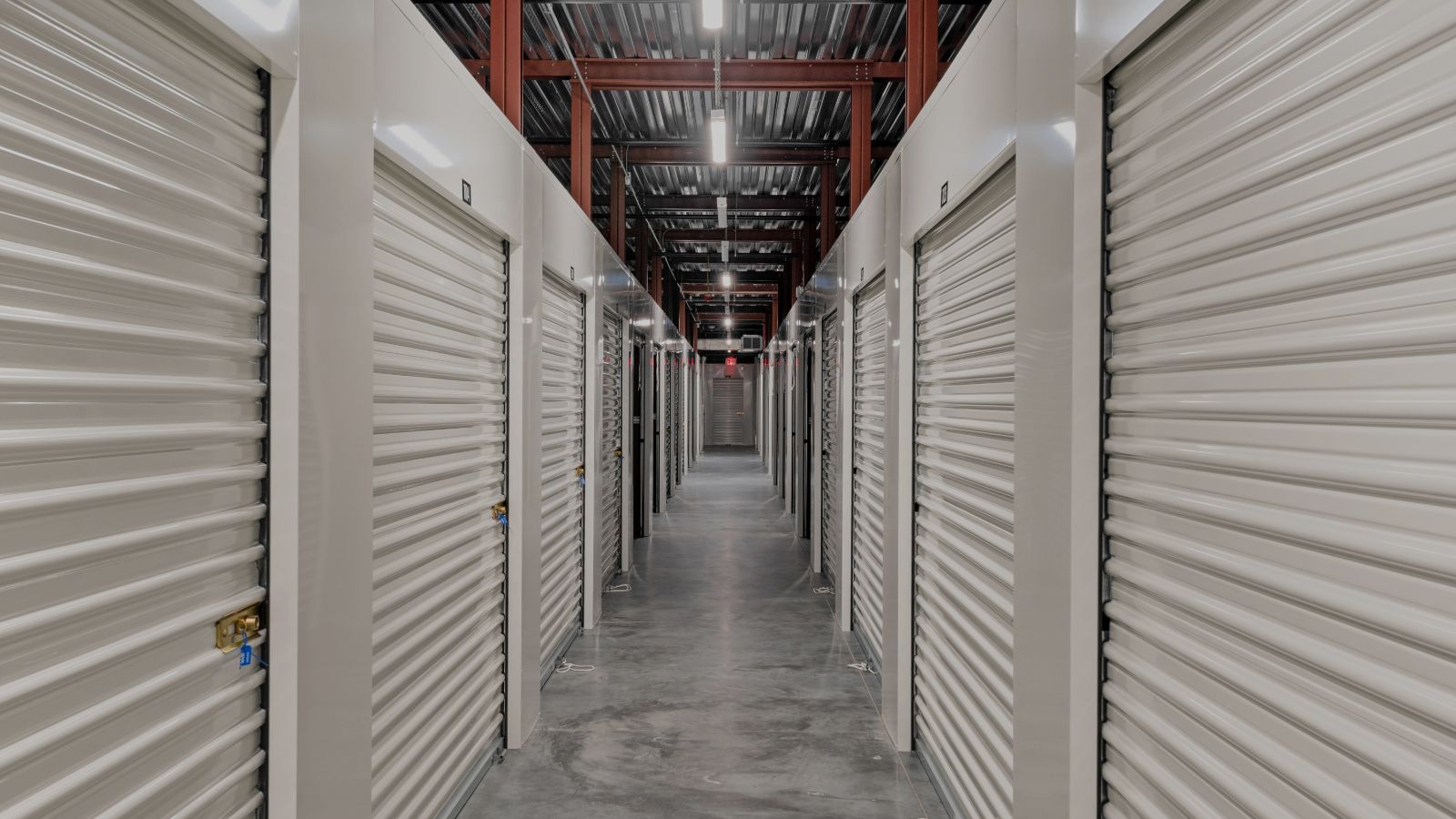
We see the people behind the possessions.
Keep What Matters
Thoughtful, modern storage designed to protect the things that matter the most

New Facilities

Modern Security

Helpful Service
Storage Tips
Choose The Right Storage Unit Size
⌃
Start by thinking about the largest items you plan to store, how many boxes you have, and whether you will need room to move around inside the unit. Choosing a space that is too small can make organization difficult, while too much unused space may mean paying for room you do not need. Use the Keepwell size guide or ask our team for help comparing available sizes.
Declutter Before You Start Packing
⌃
Storage is easier when you are only packing items you actually want to keep. Before move-in day, sort through your belongings and separate anything you plan to donate, sell, recycle, or discard. This reduces the number of boxes you need, saves storage space, and makes the items you keep easier to organize.
Create An Inventory Of What You Store
⌃
Make a simple list of the furniture, boxes, equipment, and other belongings going into your unit. For larger or more valuable items, consider taking photos as well. An inventory makes it much easier to remember what is in storage and can help you locate specific belongings months later without opening every box.
Clean And Dry Everything Before Storage
⌃
Furniture, appliances, clothing, tools, and other belongings should be clean and completely dry before they are packed away. Dirt, food residue, and trapped moisture can cause odors, staining, corrosion, or mildew over time. A little preparation before storage can make a big difference when you unpack later.
Use Sturdy, Stackable Boxes Or Bins
⌃
Use boxes or storage bins that are strong enough to hold their shape when stacked. Similar-sized containers are especially helpful because they create more stable stacks and make better use of vertical space. Avoid damaged or weakened boxes that may collapse under weight.
Label Every Box Clearly
⌃
Label boxes with both the general category and a few specific contents, such as "Kitchen – Small Appliances" instead of simply "Kitchen." Put labels on more than one side whenever possible and face at least one label toward your walkway so you can identify boxes without moving them.
Put Heavy Boxes On The Bottom
⌃
Build stacks with your heaviest and strongest boxes at the bottom and lighter containers above them. This helps keep stacks stable and reduces the chance of heavier boxes crushing lighter or more fragile belongings underneath.
Avoid Overpacking Your Boxes
⌃
A box that is packed too heavily can become difficult to lift and more likely to split, buckle, or collapse. Spread heavy items such as books across several smaller boxes instead of filling one oversized box. Each container should be full enough to stack securely without becoming dangerously heavy.
Pack Fragile Items With Extra Care
⌃
Wrap glassware, dishes, artwork, collectibles, and other delicate belongings individually with packing paper, bubble wrap, or another appropriate protective material. Fill empty spaces inside boxes so items cannot shift during transport, and clearly mark containers that need to remain upright or be handled carefully.
Protect Books And Important Documents
⌃
Pack books flat in smaller boxes so the containers do not become excessively heavy. Important records and documents can be organized in folders, protective sleeves, or sturdy file boxes. Keepwell's climate-controlled storage provides a more stable environment for paper items, but careful packing and organization are still important.
Disassemble Large Furniture When Possible
⌃
Taking apart bed frames, tables, shelving, and other large pieces can save a surprising amount of room. Keep screws, bolts, and other hardware together in a labeled bag and attach it securely to the corresponding furniture or place it in a clearly marked hardware box.
Cover Furniture Before Storing It
⌃
Use moving blankets, furniture covers, or other breathable protective materials to help keep dust and debris away from wood and upholstered furniture. Protect corners and delicate surfaces during the move, and avoid placing heavy boxes directly on top of furniture that could be scratched, dented, or compressed.
Give Mattresses And Upholstery Extra Protection
⌃
Make sure mattresses, cushions, and upholstered pieces are clean and completely dry before storage. Use mattress bags or appropriate furniture covers to protect them from dust and contact with other stored items. Avoid piling heavy belongings on top of mattresses or cushions for extended periods.
Prepare Appliances Before Move-In
⌃
Refrigerators, freezers, washers, and other appliances should be emptied, cleaned, drained, and thoroughly dried before storage. Disconnect hoses and secure loose parts. Refrigerator and freezer doors should be left slightly open while in storage to allow air circulation and help prevent trapped odors.
Pack Electronics Carefully
⌃
Whenever possible, use the original packaging for televisions, computers, monitors, and other electronics. Otherwise, use sturdy boxes with sufficient cushioning and clearly mark them as fragile. Remove batteries from devices before long-term storage and avoid stacking heavy containers on top of electronic equipment.
Leave A Walkway Through Your Unit
⌃
If your unit contains more than a few items, leave a clear aisle that allows you to reach belongings toward the back. A walkway can save you from having to unload half the unit just to retrieve one box and makes it much easier to reorganize or add items later.
Keep Frequently Used Items Near The Front
⌃
Think about which belongings you are most likely to need first. Seasonal decorations, business inventory, tools, documents, or frequently rotated items should be kept toward the front or along an easy-to-reach aisle. Items you rarely need can be placed farther toward the back.
Take Advantage Of Vertical Space
⌃
A well-organized unit uses more than just the floor. Stack stable boxes vertically, place taller furniture strategically, and use empty spaces inside appropriate furniture or shelving when practical. Keep heavier belongings low and make sure every stack is stable before adding more height.
Consider Freestanding Shelving
⌃
Freestanding shelving can make boxes, business inventory, tools, and frequently accessed belongings much easier to organize. Shelves reduce the need for tall box stacks and allow you to reach individual containers without moving everything above them.
Know What Should Not Go Into Storage
⌃
Storage units are not intended for hazardous or flammable materials, explosives, illegal items, perishable food, live animals, plants, or anything that could create a health or safety risk. If you are unsure whether a particular item can be stored, contact the Keepwell team before bringing it to the facility.